


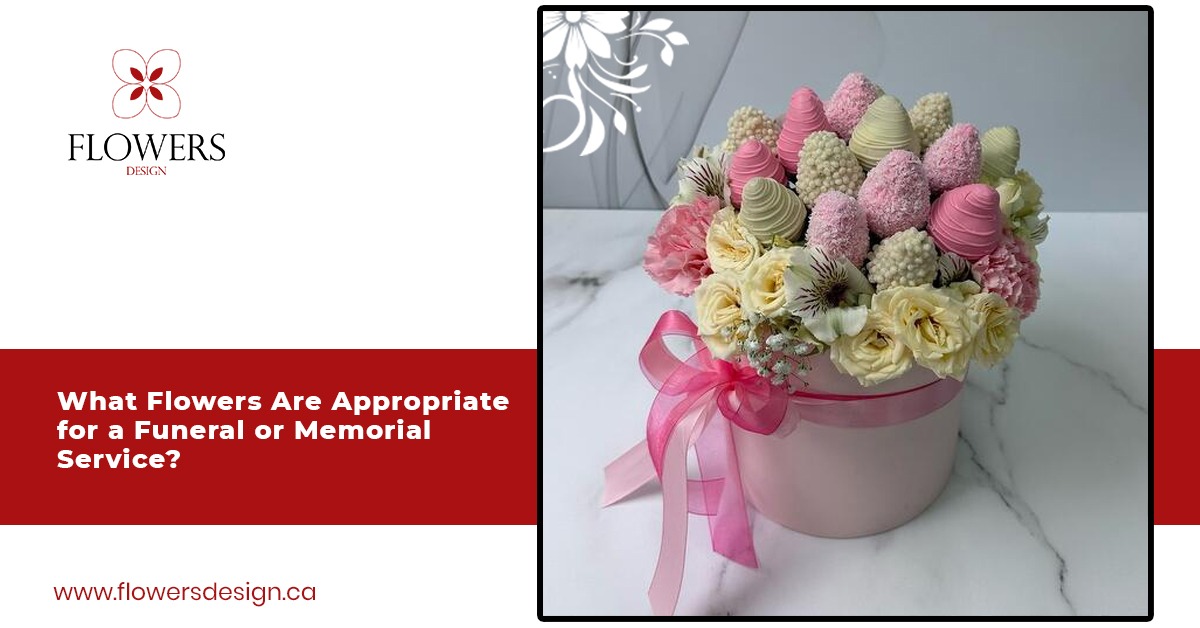
Choosing flowers after someone has passed away can be difficult. You may want to express sympathy and support, but it is not always obvious which flowers or arrangements are appropriate for a funeral or memorial service.
The good news is that there is no single flower you must choose. The most appropriate arrangement is one that communicates respect, sympathy, remembrance, and support while fitting the relationship you had with the person and the family’s preferences.
If you’re unsure what to send, this guide explains how to choose funeral flowers, which colors are commonly used, and when a smaller sympathy arrangement may be more appropriate than a large funeral display.
What Are the Most Appropriate Flowers for a Funeral?
Traditional funeral flowers often include lilies, roses, carnations, chrysanthemums, and other elegant blooms. White and softer-colored arrangements are commonly chosen because they create a peaceful and respectful appearance.
Some options to consider include:
- Lilies: Often associated with peace, purity, and remembrance.
- White roses: A simple and elegant expression of respect.
- Carnations: Long-lasting flowers that can work well in sympathy arrangements.
- Chrysanthemums: Commonly used in funeral and memorial arrangements in many cultures.
- Mixed arrangements: A thoughtful option when you want to combine several flowers and colors.
The right choice ultimately depends on your relationship with the person who passed away, the family’s preferences, and the type of service.
For additional guidance, Flowers Design’s Sympathy Flowers Canada Guide provides more information about choosing flowers to express condolences.
What Do Different Funeral Flower Colors Mean?
Color can influence the tone of a sympathy or funeral arrangement.
White Flowers
White is one of the most common choices for sympathy flowers because it creates a feeling of peace, dignity, and remembrance.
A white arrangement can be appropriate when you want something understated and respectful. Flowers Design’s guide to White Sympathy Flowers explores this choice in more detail.
Pink Flowers
Soft pink flowers can communicate compassion, gentleness, and affection. They can be especially meaningful when remembering a woman, mother, grandmother, or someone with whom you shared a close relationship.
Red Flowers
Red flowers can represent love and deep emotion. They may be appropriate when the deceased was a spouse, partner, close family member, or someone with whom you had a particularly strong relationship.
Yellow Flowers
Yellow can symbolize warmth, friendship, and remembrance. A tasteful arrangement incorporating yellow flowers may be appropriate when honoring a close friend or someone remembered for their cheerful personality.
Mixed Colors
A mixed arrangement can be a good choice when you want to create something personal rather than strictly traditional. Soft, coordinated colors can maintain a respectful appearance while adding warmth.
Should You Send Flowers to a Funeral or Directly to the Family?
This depends on the circumstances and the family’s wishes.
If the funeral home or service details specifically mention where flowers should be sent, follow those instructions. Some families may request donations instead of flowers, while others may welcome floral tributes.
If you are sending flowers directly to a family member’s home, a smaller sympathy arrangement can often be more practical than a large funeral display.
The important thing is to respect any instructions provided by the family.
What Is the Difference Between Funeral Flowers and Sympathy Flowers?
The terms are related, but they can refer to different types of arrangements and situations.
Funeral flowers are typically associated with the funeral, visitation, or memorial service itself. They may include larger floral displays or arrangements intended for the ceremony.
Sympathy flowers are often sent to the family or close friends as a personal expression of condolences. They can be sent before or after the funeral.
For example, a large arrangement may be suitable for a memorial service, while a smaller bouquet or floral gift may be more appropriate when sending condolences to someone’s home.
There is no need to overcomplicate the choice. Consider where the flowers are going, who they are for, and what message you want to express.
What Flowers Should You Send to Someone Who Is Grieving?
If you’re sending flowers directly to someone who is grieving, choose an arrangement that feels comforting and respectful.
Good options can include:
- White lilies
- White roses
- Soft mixed flowers
- Pastel arrangements
- Elegant seasonal flowers
A smaller arrangement can sometimes feel more personal than a large ceremonial display.
You can also include a short message. You don’t need to find perfect words. Something as simple as “Thinking of you and your family during this difficult time” can communicate genuine support.
Are White Flowers Always the Best Choice for Sympathy?
Not necessarily.
White flowers are a traditional and respectful option, but they are not the only appropriate choice. The recipient’s personality, cultural background, relationship to the deceased, and family preferences can all influence the decision.
If the person who passed away was known for loving bright colors, a tasteful colorful arrangement might actually feel more personal.
The goal is not to follow a strict rule. It is to choose something that feels respectful and appropriate for the situation.
How Do You Choose Funeral Flowers for a Close Family Member?
When you’re choosing flowers for someone very close to you, personalization can matter more than tradition.
Consider:
- Their favorite flowers
- Their favorite colors
- Their personality
- Your relationship
- The family’s preferences
- The type of service
- Where the arrangement will be displayed
For example, if the person loved roses, incorporating roses into the arrangement may create a more meaningful tribute than choosing flowers simply because they are traditionally associated with funerals.
If you’re unsure, a florist can help you select an arrangement that balances personal meaning with the respectful tone of the occasion.
What Type of Funeral Flower Arrangement Should You Choose?
The type of arrangement depends largely on where it will be used.
For a Funeral or Memorial Service
A larger arrangement may be appropriate for a service, particularly when the flowers will be displayed alongside other floral tributes.
For the Family’s Home
A smaller bouquet or arrangement is usually easier for the family to receive and enjoy.
For a Close Friend
You may want something personal and warm rather than a highly formal arrangement.
For a Colleague or Acquaintance
A tasteful, understated sympathy arrangement can communicate your condolences without being overly personal.
When selecting an arrangement, think about the recipient’s needs rather than choosing solely based on size or price.
What Should You Write on a Funeral Flower Card?
A sympathy card does not need to be long.
Simple messages often work best:
- “Thinking of you and your family.”
- “With deepest sympathy.”
- “Sending love and support during this difficult time.”
- “Our thoughts are with you.”
- “Remembering them with love.”
If you knew the person who passed away, you can also include a short personal memory or mention their name.
Avoid trying to explain the loss or offer complicated advice. A simple expression of support is often more meaningful.
When Should You Send Sympathy or Funeral Flowers?
If flowers are being sent to a funeral or memorial service, check the service details first and arrange delivery according to the funeral home’s or family’s instructions.
For sympathy flowers being sent to someone’s home, you can send them when you learn about the loss. You do not necessarily need to wait until the funeral.
In fact, sending flowers after the service can also be a thoughtful gesture because grief continues after the formal ceremony has ended.
If you’re unsure about timing, contacting the family or funeral home can help you understand what is appropriate.
Are There Flowers You Should Avoid Sending?
There are no universal flowers that must always be avoided, but context matters.
Consider avoiding arrangements that are:
- Extremely bright or playful when a formal service is expected
- Overly romantic when sending condolences to an acquaintance
- Too large for a small home or personal delivery
- In conflict with the family’s stated preferences
Cultural and religious traditions can also influence which flowers are appropriate. If you’re unsure, a respectful, neutral arrangement is usually a sensible starting point.
How Can You Make Sympathy Flowers More Personal?
A personal touch can make a sympathy arrangement more meaningful.
You could choose:
- The deceased person’s favorite flower
- Their favorite color
- A flower associated with a meaningful memory
- A simple arrangement that reflects their personality
- A handwritten message
You don’t need to make the arrangement elaborate. Sometimes the most meaningful gesture is simply showing that you remembered someone and are thinking about the people they left behind.
Frequently Asked Questions
Lilies, roses, carnations, chrysanthemums, and tasteful mixed arrangements are commonly used for funerals. White and soft-colored flowers are popular choices, but the family’s preferences and cultural traditions should always be considered.
Are white flowers appropriate for a funeral?
Yes. White flowers are commonly chosen for funerals and sympathy arrangements because they can create a peaceful, respectful, and elegant appearance.
What flowers should I send to someone who is grieving?
White lilies, roses, soft mixed arrangements, pastel flowers, and elegant seasonal designs can all be appropriate. Choose something that feels comforting and respectful rather than overly elaborate.
Should sympathy flowers be sent to the funeral home or the family’s home?
Either can be appropriate depending on the circumstances. Follow the family’s instructions and the funeral service details. If you’re sending flowers directly to the family, a smaller arrangement may be more practical.
Is it okay to send colorful flowers for a funeral?
Yes, when appropriate. If the deceased loved bright colors or the family prefers a more personal celebration of their life, a tasteful colorful arrangement can be meaningful.
What should I write on a sympathy flower card?
Keep the message simple and sincere. Examples include “With deepest sympathy,” “Thinking of you and your family,” or “Sending love and support during this difficult time.”
Can I send sympathy flowers after the funeral?
Yes. Sending flowers after the funeral can be a thoughtful way to show continued support because grief does not end when the formal service is over.
Conslusion
If you’re looking for a respectful way to express your condolences, explore the sympathy flower options from Flowers Design and choose an arrangement that reflects the relationship, occasion, and message you want to convey. You can also review the Sympathy Flowers Canada Guide for additional guidance before placing your order.